Field Marshall William J. Slim : Defeat Into Victory (the Burma campaign of WW2)
My notes, so I can find them easily, from anywhere 😊
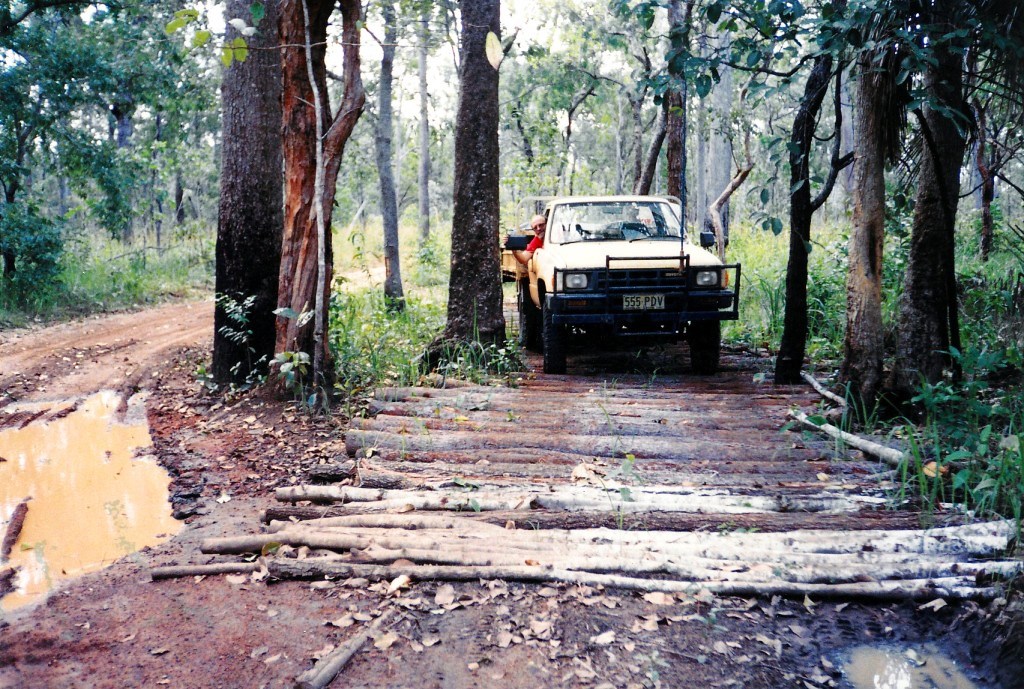

What is a corduroy road?
- Lack of definite realistic directive from above -> immediate commanders could not define objectives with clarity.
- Japanese outclassed us tactically : the hook - sent mobile infantry force through jungle to enemy line of communication and set up a roadblock. British did not have reserves in depth and Japs had tenacity in defense. They would increase pressure on front - Brits ended up with ""roadblock mentality""
- Highlighted the need for light, mobile recon troops
- Japs were thrown into confusion by the unexpected When general has 2 choices - choose the bolder
- Loss of morale is not from men being asked to fight with obsolete equipment but the belief that their commanders accept this state of affairs
- "All my divisions are crack divisions" Don't let any one be publicly recognized as the best - bad for morale. Allow each to feel they are best at something.
- Problem from WW1 : how to get infantrymen onto enemy without pause in covering fire that forces enemy to keep head down? 1. Tank - surface blast 2. High Explosive delayed action 3) Armor piercing non-explosive shot
Memo :
1) Individual soldier must learn that jungle is neither impenetrable nor unfriendly
2) Patrolling is the master key to jungle warfare
3) Get used to having Japs in your rear - believe that it is not you but they that are surrounded
4) In defense, don't hold long continuous lines
5) No frontal attacks - use hooks
6) Tanks CAN be used in the jungle - with infantry support - no penny packets - more you use, fewer you lose.
7) No non-combatants in warfare - even nurses must be prepared to fight
8) Maintain mobility away from roads and use surprise to keep the initiative
- The key is TRAINING + DISCIPLINE + LEADERSHIP
- Kawabe- sent back to Japan in disgrace : overboldness , rigidity, disregard of administrative difficulties - Slim's opportunity.
- 1:100 prisoners Vs enemy casualties - highest of any theatre - fanatical nature of Jap resistance
- Estimation of Kimura (Kawabe's replacement) : overbold, inflexible, reluctant to change a plan
- Good helps those who H T : our mass production shipyards, road/airfield construction methods, parajutes, market gardens, duck farms, fish saltings
- TRAINING + MORALE > NUMBERS + ELABORATE EQUIPMENT
- Give your field commanders latitude : flexibility of mind + firmness of decision (best use of new info). Allow them to act w/o orders, in anticipation of orders, not waiting for approval all within overall intention. Requires support from leadership for such independent action (think like your boss)
- Discipline is key - in battle and in bivouac
- Japanese strength : preparation and initiative, daring and use of surprise to disrupt enemy plans
- Ruthless and bold when things going per plan. If not, thrown into confusion and slow to readjust - sticking to original scheme. Their optimism didn't allow for setbacks and delays
- Japanese lacked moral courage - could not admit to their mistakes - ""personal failure"" - due to which they passed on orders unchanged, fully knowing they could not be carried out.
- The hardest test of generalship is a balance of determination and flexibility
- After Crimea, British army emphasized supply over mobility. Mobility is the most important
- The best units, when coming out of battle at once resume a more formal discipline and appearance. Don't belittle smartness in turnout, alertness of carriage, cleanliness of person, saluting and precision of movement - easy to dismiss as silly, parade-ground stuff. Troops cannot have unshakeable battle discipline without showing those outward and formal signs which are the pride men take in themselves
- Strength of the Japanese army was not in higher leadership but in the spirit of the individual Japanese solder who fought and marched till he died - a combination of obedience and ferocity.


Comments
Post a Comment